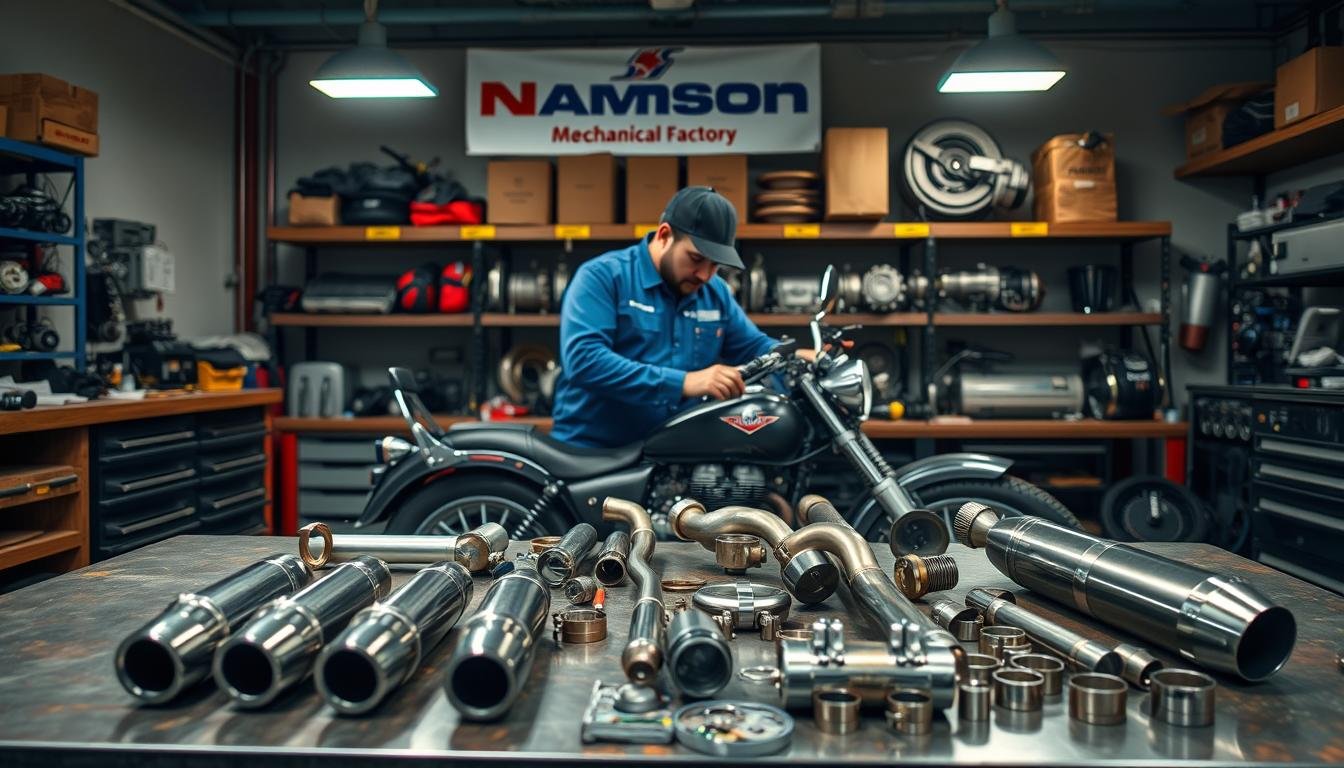
The exhaust system is key to your motorcycle’s performance. Upgrades can boost horsepower and improve throttle response. They also let you customize your bike’s sound to fit your style. Every rider, from street commuters to track enthusiasts, can benefit. Understanding exhaust modifications can enhance both performance and character. Whether you want more power, a unique […]
https://namsonmechanical.com/wp-content/uploads/2025/03/Motorcycle-exhausted.jpeg7681344sontn.cokhinamson@gmail.comhttps://namsonmechanical.com/wp-content/uploads/2025/05/Logo-Namson-420x400.pngsontn.cokhinamson@gmail.com2025-03-28 09:22:582025-03-28 09:23:02Maximize Your Motorcycle’s Performance with Exhaust Upgrades
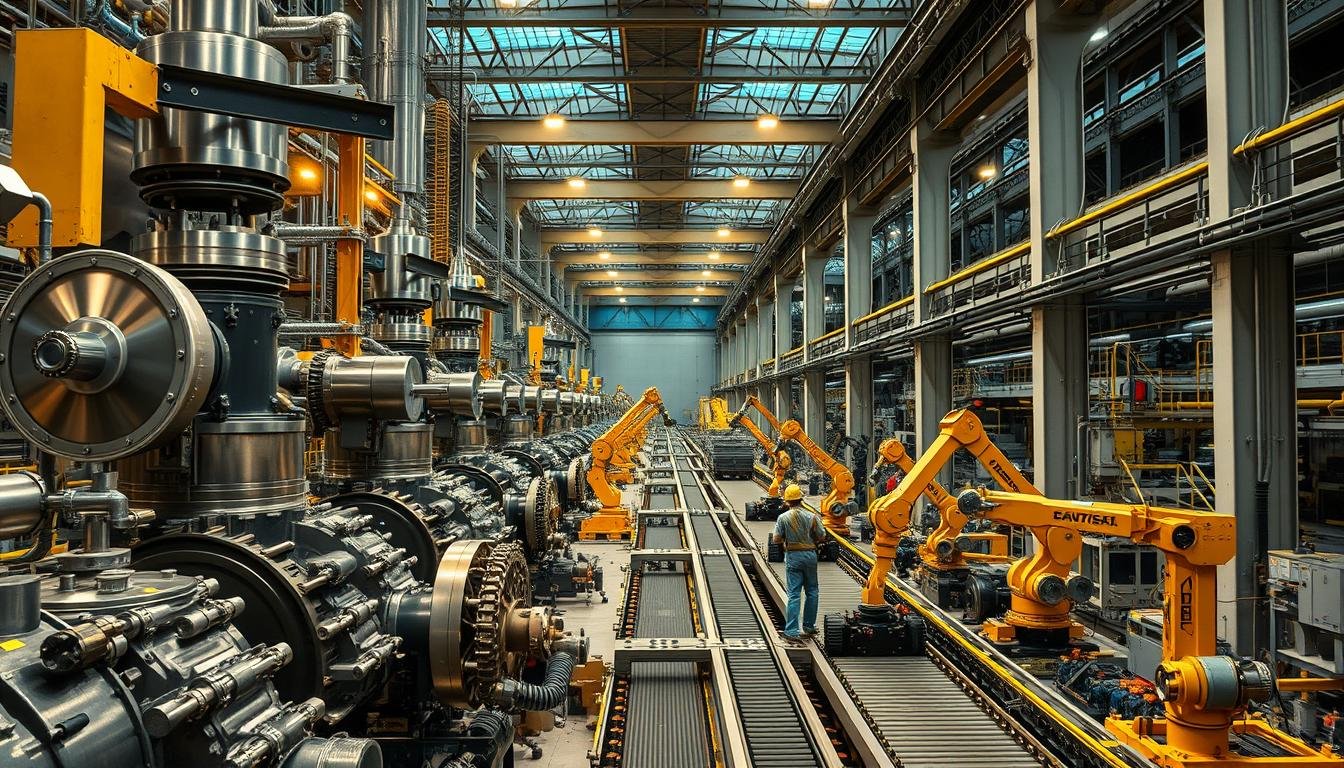
In today’s fast-paced market, mechanical processing is key. It turns raw materials into top-notch products. Reliable methods ensure products are consistent, fast, and accurate, meeting customer needs. Industrial solutions in mechanical processing help factories grow and stay competitive. They make it easier to scale up and keep ahead of the competition. Using the latest technology […]
https://namsonmechanical.com/wp-content/uploads/2025/03/mechanical-processing.jpeg7681344sontn.cokhinamson@gmail.comhttps://namsonmechanical.com/wp-content/uploads/2025/05/Logo-Namson-420x400.pngsontn.cokhinamson@gmail.com2025-03-28 08:57:512025-03-28 08:57:55Reliable Mechanical Processing for Your Business
The exhaust system is key to your motorcycle’s performance. Upgrades can boost horsepower and improve throttle response. They also let you customize your bike’s sound to fit your style. Every rider, from street commuters to track enthusiasts, can benefit. Understanding exhaust modifications can enhance both performance and character. Whether you want more power, a unique […]
https://namsonmechanical.com/wp-content/uploads/2025/03/Motorcycle-exhausted.jpeg7681344sontn.cokhinamson@gmail.comhttps://namsonmechanical.com/wp-content/uploads/2025/05/Logo-Namson-420x400.pngsontn.cokhinamson@gmail.com2025-03-28 09:22:582025-03-28 09:23:02Maximize Your Motorcycle’s Performance with Exhaust Upgrades
In today’s fast-paced market, mechanical processing is key. It turns raw materials into top-notch products. Reliable methods ensure products are consistent, fast, and accurate, meeting customer needs. Industrial solutions in mechanical processing help factories grow and stay competitive. They make it easier to scale up and keep ahead of the competition. Using the latest technology […]
https://namsonmechanical.com/wp-content/uploads/2025/03/mechanical-processing.jpeg7681344sontn.cokhinamson@gmail.comhttps://namsonmechanical.com/wp-content/uploads/2025/05/Logo-Namson-420x400.pngsontn.cokhinamson@gmail.com2025-03-28 08:57:512025-03-28 08:57:55Reliable Mechanical Processing for Your Business
The exhaust system is key to your motorcycle’s performance. Upgrades can boost horsepower and improve throttle response. They also let you customize your bike’s sound to fit your style.
Every rider, from street commuters to track enthusiasts, can benefit. Understanding exhaust modifications can enhance both performance and character.
Whether you want more power, a unique sound, or better fuel efficiency, this guide helps. It shows how exhaust upgrades can make a real difference. By choosing the right parts, you can meet your riding goals and stay within your budget and local laws.
Key Takeaways
Exhaust upgrades can increase engine output and improve acceleration.
Custom exhausts allow riders to adjust sound levels for street or track use.
Upgrades often cost less than engine rebuilds while yielding significant gains.
Materials like stainless steel or titanium affect weight and durability.
Legal compliance ensures your modifications stay road-legal and emissions-approved.
Understanding Motorcycle Exhaust Systems and Their Functions
Motorcycle exhaust systems are key motorcycle parts that balance performance, sound, and legal standards. Each part works together to improve engine efficiency and meet legal requirements. Here’s how they function:
The Anatomy of a Motorcycle Exhaust System
Headers: Collect exhaust gases from cylinders, routing them to the main pipe.
Mufflers: Reduce noise and smooth exhaust pulses for street legality.
Mid-pipes: Modify gas flow to improve scavenging effects and power output.
Oxygen sensors: Monitor emissions for emission control systems.
How Exhaust Systems Affect Engine Performance
Engine performance depends on exhaust flow. Well-designed systems reduce back pressure, letting exhaust gases exit smoothly. This creates a vacuum effect called scavenging, pulling fresh fuel/air mixtures into cylinders faster. Tuned headers can boost low-end torque, while free-flowing mufflers improve high-RPM horsepower.
OEM vs. Aftermarket Exhaust Options
Feature
OEM Exhaust
Aftermarket Exhaust
Design Focus
Mass production for emissions and noise limits
Custom tuning for power, weight, or sound
Materials
Stainless steel for durability
Titanium (lightweight) or carbon fiber for performance
Performance Goals
Balance compliance with minimal power loss
Maximize horsepower/torque or reduce weight
Aftermarket brands like Akrapovič or Vance & Hines focus on tailored performance. They use advanced manufacturing. OEM systems, on the other hand, prioritize reliability and legal compliance.
The Top Benefits of Upgrading Your Motorcycle Exhaust
Upgrading your motorcycle’s exhaust system brings many benefits. It boosts horsepower and torque, making your bike faster and easier to accelerate. This means you can pass other vehicles without feeling exhausted.
Using lightweight materials like titanium or carbon fiber makes your bike handle better and use less fuel. You can also change the sound of your bike to match your style. Plus, these systems help keep your bike cool, preventing overheating.
Performance Gains: Boosted power and throttle response
Weight Savings: Lighter materials improve agility
Sound Customization: Choose from diverse acoustic profiles
Heat Management: Enhanced cooling for reliability
Visually, sleek finishes like brushed stainless or carbon fiber make your bike look sporty. These upgrades make your bike feel more alive and less tired. Whether you’re riding in the city or on long highways, your bike will be energetic and ready for anything.
Types of Motorcycle Exhaust Systems Available in the Market
Choosing the right motorcycle exhaust system depends on your riding goals and budget. Look at the main types of exhausts, materials, and top brands like Namson. This will help you find the perfect fit for your bike.
Slip-On Exhausts: The Quick Upgrade Solution
Slip-on systems attach to your bike’s existing exhaust parts. These motorcycle parts are easy to install and offer a power boost. They’re great for a quick upgrade for daily riding. But, they might not match the performance of full systems.
Full System Replacements: Maximum Performance Gains
Full exhaust systems replace the whole exhaust, from headers to tips. They give the biggest horsepower and torque gains but need a pro to install. Brands like Namson make full systems for top performance. They’re perfect for riders who want the best.
Material Differences: Stainless Steel vs. Titanium vs. Carbon Fiber
Stainless Steel: Durable and affordable, common in motorcycle parts for long-term use.
Titanium: Lightweight and heat-resistant, though more expensive.
Carbon Fiber: Lightweight and sleek, often chosen for aesthetics but requiring careful maintenance.
Namson and Other Leading Exhaust Brands
Namson is known for its precise engineering and sound quality. Brands like Akrapovič and Yoshimura offer unique designs. SC Project and Two Brothers Racing focus on customization. Compare their features like weight, sound, and emissions to find what suits you best.
How to Choose the Right Motorcycle Exhaust for Your Riding Style
Choosing the right exhaust system is key for better performance and comfort. Brands like Namson offer systems for different needs. Whether you’re commuting in the city or going on long trips, they have you covered.
Street and Commuter Considerations
Commuters want quiet systems and ones that follow the law. Look for quieter mufflers and materials that resist heat. Namson’s StreetFlex series is great for city riding, as it’s quiet and boosts power for traffic.
Stay away from heavy systems that use too much fuel in the city.
Choose slip-on systems for easy installation
Check local noise limits before purchase
Opt for corrosion-resistant materials for daily exposure
Performance and Track Day Options
For track days, you need lightweight systems that improve high-RPM performance. Namson’s TrackPro line uses titanium headers to cut weight and boost power. Look for systems with free-flowing pipes for better airflow.
Track systems often need custom tuning for the best results.
Focus on low-backpressure designs
Verify compatibility with engine tuning software
Choose heat-resistant clamps for track stress
Touring and Long-Distance Comfort Factors
For long rides, you need systems that dampen vibrations and manage heat. Namson’s TourMaster systems use dual-wall tubing to keep you cool and quiet. Wide-diameter pipes help maintain airflow at low RPMs.
Make sure the system balances weight for better handling.
Look for vibration-damping hangers mounts
Ensure heat shields protect luggage compartments
Check durability for rough road conditions
Riding Style
Key Factors
Example
Street
Noise, heat, practicality
Namson StreetFlex
Track
Weight, power band, durability
Namson TrackPro
Touring
Vibration, thermal control
Namson TourMaster
The Performance Impact: Horsepower, Torque, and Fuel Efficiency
Exhaust upgrades change how your motorcycle breathes, unlocking hidden power. Dyno tests show gains vary by bike type. Sport bikes see 10–15% more horsepower, while cruisers gain 8–12%.
Adventure bikes often see 5–10% increases, balancing power and practicality.
Mid-range torque improvements are key for everyday riding. A good exhaust system can boost low-end torque by up to 15%. This makes acceleration smoother, especially in stop-and-go traffic.
Fuel efficiency depends on tuning. Some riders see 5–10% better mileage with optimized exhausts. But aggressive systems might increase consumption by 3–5% due to lean air-fuel ratios. Proper ECU tuning ensures gains without compromise.
Bike Type
Horsepower Gain
Midrange Torque Boost
Sport Bikes
10–15%
+12–18 lb-ft
Cruisers
8–12%
+10–15 lb-ft
Adventure Bikes
5–10%
+8–12 lb-ft
Proper tuning is non-negotiable. Without recalibrating the ECU, exhaust gains may not materialize. Brands like Namson offer exhausts pre-mapped for their systems, simplifying the process. Over-exhausted setups without tuning risk engine strain and inefficiency.
“A 15% horsepower gain on paper doesn’t always mean 15% real-world benefit. Track a dyno chart and track your own riding patterns.”
Real-world results depend on balance. Riders must align exhaust choice with riding style. Sport-focused systems excel at high RPMs, while touring setups prioritize smooth midrange. Always prioritize reliable data over marketing claims to avoid under or over-exhausted performance.
Installation Guide: Replacing Your Motorcycle Exhaust
Installing a new exhaust system needs care and the right motorcycle parts. First, get your tools ready and set up a safe workspace. Make sure you have good ventilation and protect yourself from heat.
Tools and Equipment Needed
You’ll need a torque wrench, spring pullers, and socket sets. Don’t forget O-ring kits or gasket sealant for tight seals. Namson has tool kits for exhaust jobs. If you need rare tools, think about renting or borrowing to save money.
Step-by-Step Installation Process
Let the engine cool down before you start.
Disconnect the battery to avoid electrical issues.
Take off the old exhaust parts and store them in labeled bags.
Put the new headers and mid-pipes in place as the guide says.
Use the right torque to tighten everything in the right order.
Do a leak test with soapy water after you’re done.
Common Installation Mistakes to Avoid
Don’t over-tighten clamps or you’ll damage the parts.
Always replace gaskets to avoid leaks.
Check for bodywork interference before you start.
Remember to follow the break-in procedures after installation.
When to Seek Professional Help
Scenario
Action
Complex fastener configurations
Consult a certified mechanic
Systems requiring ECU tuning
Use dealerships or tuning specialists
Warranty-protected motorcycles
Check manufacturer guidelines first
For exhausts with custom bends or advanced materials, get professional help. Always check that the motorcycle parts fit your bike. Safety and precision are key to avoid expensive mistakes.
Legal Considerations for Motorcycle Exhaust Modifications
Before you upgrade your exhaust, it’s key to know the legal rules. This avoids expensive fines. Feeling lost? Let’s get started.
Noise Regulations Across Different States
Decibel limits change a lot. Here are some important states:
State
Max dB Level
Notes
California
80 dB
Enforced with hand-held meters
Texas
94 dB
No daytime restrictions
New York
82 dB
City vs. highway limits
Emission Standards and Compliance
EPA-certified systems (e.g., Namson’s CARB-approved lines) must display compliance stickers
Removing catalytic converters risks $5,000+ fines and voided warranties
California requires “CARB EO#” listings on compliant exhausts
Street Legal vs. Track-Only Exhausts
Feature
Street Legal
Track-Only
Noise
≤80-95 dB
Unrestricted
Emissions
EPA/CARB certified
No compliance needed
Use
Legal on public roads
Race tracks only
Breaking the rules can mean fines or your bike being taken away. Stay within the law to protect your investment. Always check local laws before making changes.
Maintenance Tips for Your New Motorcycle Exhaust
Keeping your motorcycle parts in good shape is key to a long-lasting exhaust system. Regular care stops corrosion, keeps sound levels right, and keeps the exhaust looking great. Follow these tips to make your exhaust last longer and avoid expensive fixes.
Material-Specific Cleaning: Use pH-neutral cleaners for stainless steel and titanium. Avoid abrasive pads that scratch finishes.
Carbon Buildup: Run engines at highway speeds periodically to burn off deposits. For stubborn buildup, use commercial exhaust cleaners.
Hardware Checks
Inspect bolts and clamps monthly. Tighten loose components to prevent leaks.
Replace gaskets showing cracks or corrosion during annual inspections.
Packing Replacement: Every 2–3 years, check internal packing in mufflers. Loose packing reduces performance and increases noise.
Environmental Protection: Rinse salt or mud off exhaust tips after off-road rides. Apply corrosion-resistant coatings in coastal areas.
Store motorcycles in dry areas during winter. Use silica gel packs to absorb moisture in storage spaces. If you notice unusual rattles or power loss, fix it right away. These signs mean something is loose or damaged inside. By following these steps, your premium motorcycle parts will keep performing well and last a long time.
Conclusion: Elevating Your Ride with the Right Exhaust Upgrade
Choosing the right exhaust system can change your motorcycle’s game. High-performance slip-ons from Namson or Akrapovič give you a power boost. Full systems improve airflow for better performance.
Riders look at noise limits, material quality, and sound preferences. Cruisers want a deep rumble, while adventure bikes need balance and durability.
It’s important to follow legal noise limits and maintain your exhaust. Check local laws before installing to avoid fines. Clean it regularly and check sensors to extend its life.
Modern exhausts are lighter and stronger, thanks to materials like titanium and carbon fiber. ECU-tuned exhausts work well with stock or modified engines.
Find an exhaust that fits your riding style. Sportbikes do well with full systems, while commuters prefer lightweight ones. Don’t get lost in technical details—focus on what matters to you.
Brands like Vance & Hines and FMF have options for Harley-Davidson and adventure bikes. Look for quality over price to avoid future costs.
New trends include smart exhausts that adjust based on RPM. They improve both highway and track performance. Make informed choices for a lasting upgrade to your ride.
FAQ
What is the main benefit of upgrading my motorcycle’s exhaust system?
Upgrading your motorcycle’s exhaust can boost performance. It improves horsepower, torque, and throttle response. It also enhances the bike’s sound and looks, making riding more enjoyable.
How does an aftermarket exhaust differ from OEM exhausts?
Aftermarket exhausts focus on performance. They are lighter, more powerful, and customizable in sound. OEM exhausts, on the other hand, are designed for emissions and noise control, limiting performance.
Are there specific brands known for their quality exhaust systems?
Yes, brands like Namson, Akrapovič, Yoshimura, SC Project, Arrow, and Two Brothers Racing are known for quality. They offer performance exhausts for different rider needs and preferences.
What should I consider when choosing an exhaust system for my bike?
Think about your riding style and performance goals. Also, consider your budget and local laws on noise and emissions. Each factor affects your choice.
Can upgrading my exhaust affect fuel efficiency?
Yes, a well-tuned aftermarket exhaust can improve fuel efficiency. It enhances engine performance. But, the effect depends on the exhaust design and your riding habits.
What tools are needed for a DIY exhaust installation?
You’ll need sockets, wrenches, screwdrivers, and a torque wrench. Special tools like spring pullers might also be necessary. Having the right tools prevents damage during installation.
How can I maintain my aftermarket exhaust?
Clean the exhaust with the right products for its material. Check for loose parts and leaks. Inspect internal packing for optimal performance.
Are there legal considerations for modifying my exhaust?
Yes, noise and emissions laws vary by state. Knowing local regulations is key to avoid fines and ensure your exhaust is legal.
What types of exhaust systems are available?
There are slip-on exhausts and full-system replacements. Slip-ons are easier to install and offer a moderate upgrade. Full-system replacements provide more performance but require more effort and tuning.
https://namsonmechanical.com/wp-content/uploads/2025/03/Motorcycle-exhausted.jpeg7681344sontn.cokhinamson@gmail.comhttps://namsonmechanical.com/wp-content/uploads/2025/05/Logo-Namson-420x400.pngsontn.cokhinamson@gmail.com2025-03-28 09:22:582025-03-28 09:23:02Maximize Your Motorcycle’s Performance with Exhaust Upgrades
In today’s fast-paced market, mechanical processing is key. It turns raw materials into top-notch products. Reliable methods ensure products are consistent, fast, and accurate, meeting customer needs.
Industrial solutions in mechanical processing help factories grow and stay competitive. They make it easier to scale up and keep ahead of the competition.
Using the latest technology in mechanical processing cuts down on downtime and mistakes. This lowers costs and increases production. Companies with the latest machinery and methods have a big advantage in quality and efficiency.
For manufacturers, investing in reliable mechanical processing is essential. It keeps them relevant and profitable in a competitive world.
Key Takeaways
Efficient mechanical processing drives production scalability and cost reduction.
Modern mechanical systems improve product precision and market competitiveness.
Reliable manufacturing practices ensure consistent quality across all output.
Industrial solutions in mechanical processing directly affect a factory’s operational success.
Advanced technologies in this field are critical for long-term business growth.
Understanding Modern Mechanical Processing
Modern mechanical processing has changed manufacturing a lot. It uses industrial manufacturing evolution and mechanical factory technologies like robotics and AI. These new methods are more precise and can make more products, helping businesses meet global needs.
The Evolution of Mechanical Processing Technologies
At first, making things was done by hand and with simple machines. The 20th century introduced CNC machining and computers. Now, advanced processing systems use IoT sensors and analyze data in real-time. This makes work better and faster in many fields.
Core Components of an Effective Mechanical Processing System
Hardware: CNC lathes, 3D printers, and robotic arms.
Software: CAD/CAM programs for design and simulation.
How Advanced Processing Differs from Traditional Methods
Old ways needed manual changes and took longer to set up. Now, advanced systems offer:
Speed: Automated setups cut production time by 40%+.
Accuracy: Micrometer-level precision for complex parts.
Flexibility: Software updates adapt systems to new designs instantly.
Why Reliable Mechanical Processing Matters for Business Success
Reliable mechanical processing is key for modern manufacturing success. Companies focusing on this area see big improvements in business efficiency and manufacturing quality. For instance, they cut downtime by up to 40%, which boosts output and profits.
Unreliable systems harm mechanical factory operations in three main ways:
More defects mean costly rework
Delayed shipments hurt customer trust
Higher energy use
These problems cut into profits and damage a brand’s image.
Data shows 82% of manufacturers report higher client retention after upgrading to reliable mechanical processing systems.
Car part makers cut warranty claims by 35% with advanced CNC machining. Medical device companies get to market 20% faster with consistent quality. These gains come from better production workflows.
Investing in reliable mechanical processing is more than buying machines. It’s a smart move for growth. By meeting quality standards like ISO 9001, companies get consistent results. This ensures they stay competitive in a tough global market.
Essential Mechanical Processing Services for Manufacturing Excellence
Manufacturing excellence relies on specialized services that transform raw materials into quality products. These services make production smoother, products more durable, and meet high standards. Here’s how key services lead to success:
Precision CNC Machining Services
CNC machining offers unmatched accuracy for complex parts. It uses techniques like turning, milling, and drilling on metals and plastics. Advanced CNC machining systems automate, cutting down on errors and increasing efficiency. For example, aerospace parts need these methods to be both light and strong.
Turning: Creates cylindrical parts for engines and machinery
Milling: Carves intricate 3D shapes in automotive molds
Grinding: Achieves ultra-fine finishes for medical implants
Surface Treatment and Finishing Options
Surface treatments protect parts from corrosion and wear. Anodizing, painting, and surface treatments like electroplating improve both function and look. For instance, aerospace parts are heat-treated to handle extreme temperatures.
Assembly and Integration Services
Mechanical factory integration makes sure components work well together. Automated assembly lines use robots for precision. This cuts down on downtime and meets production goals. A leading automotive supplier cut assembly errors by 40% with these methods.
Quality Assurance Processes
“Quality is built in, not inspected in.” — John Taylor, Director of Manufacturing at Boeing
Statistical process control and non-destructive testing check every step. Quality assurance follows ISO and FDA standards. Regular audits find defects early.
Combining CNC machining, surface treatments, and mechanical factory integration makes a strong production line. These services ensure products meet exact specs, cut costs, and reduce lead times. Manufacturers focusing on these areas stay ahead in global markets.
Optimizing Your Mechanical Factory Operations
To boost productivity in mechanical factories, a clear plan is needed. This plan focuses on three main areas: improving workflows, keeping equipment in top shape, and training staff. Each area plays a big role in making things run smoothly and efficiently.
Workflow Analysis and Improvement
Looking into workflows helps find what’s holding things back. Methods like value stream mapping and lean manufacturing help spot these issues. For instance:
Time studies track cycle times for machining processes
Value stream mapping highlights material flow gaps
Data logging systems monitor machine utilization rates
By using these tools, factories can see their production speed go up by 25%.
Equipment Maintenance and Reliability Programs
Using predictive maintenance can make equipment last longer and reduce downtime. Let’s compare different methods:
Type
Predictive
Preventive
Usage
Sensor-based monitoring
Scheduled checkups
Costs
Higher initial investment
Lower upfront costs
Effectiveness
Reduces unexpected failures
Averts gradual wear issues
Staff Training and Skill Development
Training programs are key to improving staff skills. Important steps include:
Certification courses in CNC programming
Cross-training between machining and quality control roles
Monthly safety and best-practice workshops
Companies that invest in training see a 30% drop in operator mistakes each year.
Cost-Effective Solutions for Scaling Your Production Capacity
Scaling production needs careful planning to grow without spending too much. Companies achieve manufacturing scalability by making the most of their machines and using cost-effective mechanical processing methods. They focus on scaling production wisely, choosing smart upgrades and flexible systems.
Equipment efficiency: Boost output with predictive maintenance and smart scheduling to cut downtime.
Automation integration: Use robotic systems from brands like FANUC or ABB to save on labor and improve precision.
Modular expansions: Invest in scalable floor layouts for easy mechanical factory expansion without big retooling costs.
Leaders who focus on ROI look at long-term savings from scalable solutions. They consider leasing equipment or working with suppliers like Siemens for modular machinery. This approach lowers the initial costs. Data shows companies that expand in phases save 30% on capital compared to sudden overhauls.
“Scalability isn’t just about size—it’s about aligning growth with market demands without straining cash flow,” emphasizes a 2023 report by Deloitte.
To keep quality up during scaling, use tools like those from Rockwell Automation for real-time monitoring. Regular audits help keep output consistent as it grows. By mixing incremental upgrades with strategic partnerships, manufacturers can grow without overextending themselves.
Manufacturing sectors need special mechanical solutions. These meet unique technical and regulatory demands. Precision and compliance shape every industry’s production processes. Here’s how mechanical processing adapts to four key markets:
Aerospace mechanical processing involves machining exotic metals like Inconel and titanium. Defense contractors use five-axis CNC mills to make turbine blades that can handle extreme temperatures. FAA certification requires zero defects in parts like aircraft landing gear, driving the adoption of real-time quality monitoring systems.
Automotive Industry Solutions
Automotive manufacturing focuses on high-volume automotive manufacturing of lightweight materials. Electric vehicle frames made from aluminum alloys reduce emissions. Robotic welding ensures consistent body panels. Suppliers like Magna use modular production lines to shift between gas and electric vehicle components.
Medical Device Manufacturing
In medical device production, ISO 13485 compliance mandates sterilized environments. Surgical tools are laser-cut from stainless steel under cleanroom conditions. Traceability systems log every machining step to satisfy FDA requirements, ensuring recalls can be tracked to specific production batches.
Consumer Products and General Manufacturing
Consumer goods benefit from mechanical factory specialization. Electronics makers like Apple use quick-change tooling to produce smartphone cases in weeks instead of months. Injection molding lines for plastic toys adjust rapidly between seasonal designs, minimizing downtime.
Selecting the Right Mechanical Processing Partner
Choosing the right mechanical processing partner is crucial. You need to look at their credentials, what they can do, and their reputation. This guide will help you find the right fit for your business.
Essential Qualifications and Certifications
Make sure they have the right manufacturing certifications. Look for:
Accreditation for industry-specific standards
Regular third-party audit results
Environmental compliance documentation
Evaluating Technical Capabilities and Equipment
Check their equipment evaluation by looking at these factors:
Criteria
Evaluation Factors
Impact
Machinery
CNC machining precision, tooling inventory
Directly affects production quality
Technology
Automation levels, software integration
Ensures scalability
Facility
Production capacity, floor space
Avoids bottlenecks
Assessing Track Record and Client Testimonials
Look at their past performance by:
Case studies from similar projects
Talking to past clients
Checking their project portfolios online
Choose a mechanical factory that fits your needs and goals.
Future Trends in Mechanical Processing Technology
Manufacturing technology is changing fast. Industry 4.0 is leading this change. It combines smart systems like IoT sensors and real-time data analytics to make production better.
Factories use these tools to predict when equipment might fail. This helps them improve product quality. It also cuts downtime and costs.
Collaborative robots (cobots) work alongside humans, enhancing precision without replacing jobs.
Energy-efficient machinery and recycling systems reduce waste, aligning with sustainability goals.
Virtual digital twins simulate processes to test adjustments before real-world implementation.
New materials like composites and advanced alloys need new ways to process them. Companies that adopt these innovations stay ahead. They focus on finding a balance between mechanical factory innovation and getting a good return on investment.
For example, tools from Siemens or Bosch help choose upgrades that increase output. This is key for success.
“The next decade will reward factories that blend automation with human expertise,” says a 2023 McKinsey report on manufacturing efficiency. “Adopting smart systems isn’t optional—it’s a pathway to staying competitive.”
Companies need to pick the right technologies for their goals. AI systems improve accuracy but need skilled people to manage them. Training and partnerships with tech providers are crucial for a smooth transition.
As automation grows, the focus is on sustainable, scalable solutions. These solutions turn data into useful insights.
Conclusion: Transforming Your Business Through Advanced Mechanical Processing
Advanced mechanical processing is more than just a technical step. It’s a key strategy for changing your business. Companies that focus on top-notch manufacturing with the latest tech get ahead. They use precision CNC machining, quality checks, and custom solutions to boost productivity and product quality.
Making your factory more efficient meets market needs. This is true for industries like aerospace, automotive, and medical devices. Using these methods helps follow rules, cuts down on downtime, and grows your business. A trusted partner with the right certifications can help you meet industry standards.
Changing your business starts with looking at your current processes. Check your mechanical processing, maintenance, and supplier relationships. Choose technologies that offer flexibility and precision. This way, mechanical processing becomes a driver for innovation, customer happiness, and profit. Start your journey to modern manufacturing excellence now.
FAQ
What is mechanical processing, and why is it important for manufacturing?
Mechanical processing shapes materials through cutting and machining. It’s key for making products better, working more efficiently, and saving money. This gives companies a competitive edge.
What are some common mechanical processing techniques used in factories?
Factories use CNC machining, turning, milling, and drilling. They also use grinding and surface treatments like plating and anodizing. Each method is used for different parts and materials.
How can mechanical processing help improve operational efficiency in my factory?
By improving mechanical processing, factories can cut waste and speed up production. They can also make products more accurate and consistent. Using new technologies and keeping machines in good shape helps a lot.
What role does quality assurance play in mechanical processing?
Quality assurance is vital for meeting high standards in mechanical processing. It involves using inspection technologies and following strict protocols. This ensures products are reliable and consistent.
How does investing in advanced mechanical processing technologies benefit a business?
Investing in new technologies boosts production and efficiency. It also lowers costs and improves product quality. These changes can lead to big savings and happier customers.
What should I consider when selecting a mechanical processing partner?
Look at their qualifications, equipment, and past work. Check their financial health and if they fit your company’s culture. These factors are important for a good partnership.
How can a mechanical factory address the challenge of scaling production effectively?
To scale up, use machines well, add automation, and plan for upgrades. Also, think about expanding your space. Keeping quality high is key to keep customers happy.
What are the future trends in mechanical processing technology?
The future includes more use of IoT for monitoring, better robotics, and green technologies. These changes aim to make processes more efficient and waste-free.
https://namsonmechanical.com/wp-content/uploads/2025/03/mechanical-processing.jpeg7681344sontn.cokhinamson@gmail.comhttps://namsonmechanical.com/wp-content/uploads/2025/05/Logo-Namson-420x400.pngsontn.cokhinamson@gmail.com2025-03-28 08:57:512025-03-28 08:57:55Reliable Mechanical Processing for Your Business